


A boring industry? Congratulations. You're sitting on untapped branding gold.
Hey Brand fan,
Unpopular Opinion: I'd rather build a construction company's brand than yet another run-of-the-mill fashion label.
Sounds crazy? But it’s simple. In fashion, beauty, and food, good branding is your ticket in. Without it, you’re doomed; with it, you don’t stand out much because so many others are doing the same thing. In “boring” industries, on the other hand, good brand development is optional. And that’s exactly the point: the bar is set at the floor. Anyone who shows even a little bit of character stands out like fireworks.
Low expectations, big surprise.
That's it—no need for any more formula.
Three pieces of evidence:
Hornbach: Emotions at the Home Improvement Store.
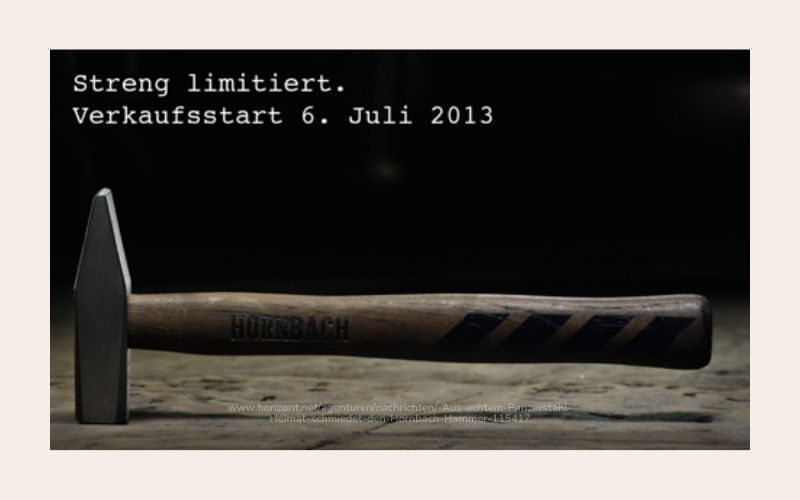
Home improvement store. Objectively speaking, one of the least sexy industries out there. And yet, for years now, Hornbach—together with its agency Heimat—has been creating what is perhaps Germany’s boldest advertising, all under one tagline: “There’s always something to do.” My favorite example: the Hornbach Hammer (2013), a strictly limited-edition hammer made of genuine armor steel. The online pre-sale sold out immediately. A home improvement store has created a cult object—let that sink in.
And it’s paying off: 6.2 billion euros in revenue (fiscal year 2024/25), ranked among the top 5 home improvement and gardening retailers in Europe, and with 2,849 euros in revenue per square meter of retail space, Hornbach is well ahead of the competition. After all, emotion sells even wall anchors.
Kärcher: The "Wonders of the World" Portfolio.
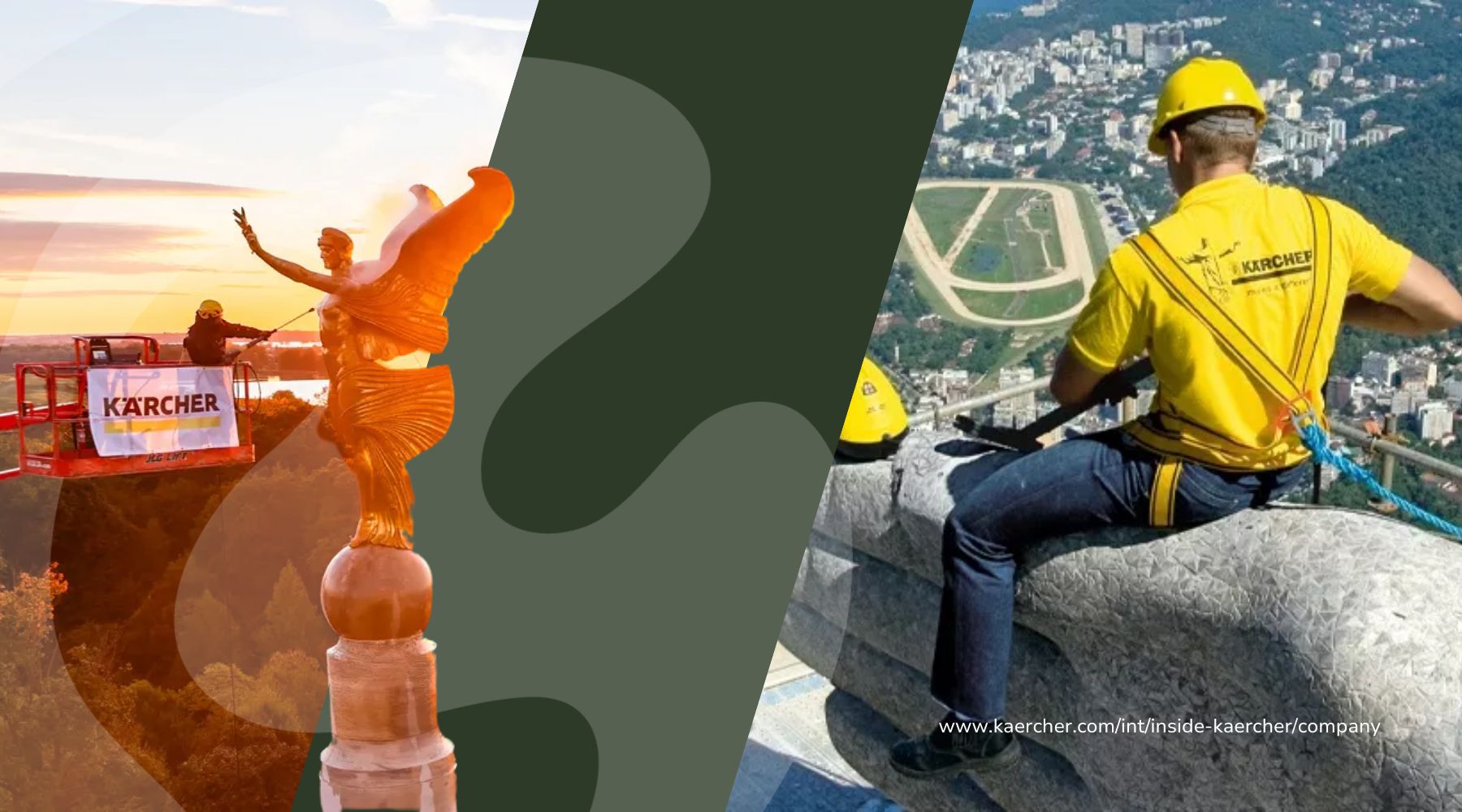
High-pressure washers. A family-owned business from Winnenden, founded in 1935, a classic German global market leader—in other words, exactly the kind of company where branding is supposedly “not necessary.” Kärcher’s move: Since 1980, the company has been cleaning the world’s most famous landmarks as part of its cultural sponsorship program. The Christ the Redeemer statue in Rio (1980, and roughly every ten years since then, most recently in 2024). The Brandenburg Gate after the fall of the Berlin Wall (1990). The colonnades at St. Peter’s Square (1998). Mount Rushmore (2005), where industrial climbers rappelled down onto Washington’s nose after the Park Service had spent seven years searching for a solution.
Over 150 projects, each one free of charge worldwide. The product is a high-pressure washer. The brand is "We Clean the Wonders of the World." Result: Global market leader with just under 3.5 billion euros in revenue (2025).
Mailchimp: The monkey among the suits.
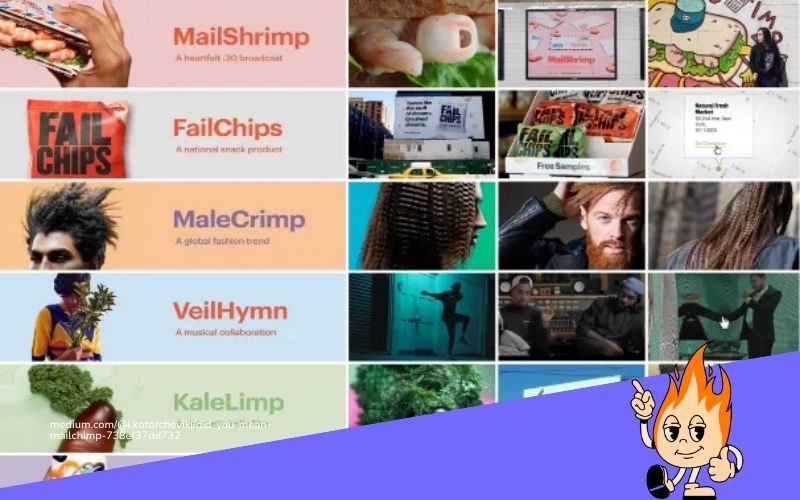
And now, B2B software—the dullest of all sectors. Mailchimp launched in Atlanta in 2001 as a side project of a web design agency, with email marketing as its product (of all things, I know 😅). While the competition looks like a tax return, Mailchimp relies on a winking monkey named Freddie and a playful tone. The highlight: the “Did You Mean Mailchimp?” campaign, featuring deliberately misspelled names like MailShrimp, KaleLimp, and JailBlimp, which drove in around 4 million organic search queries.
The kicker: all of this was achieved without a single investor. In 2021, Intuit acquired the company for about $12 billion—the largest sale of a bootstrapped company in history. In a market full of bland tools, its distinctive brand identity was its competitive advantage.
My 2 cents: The mechanism behind it is always the same.
✅ Low expectations beat high expectations. In a gray landscape, a single spark is enough to stand out. In fashion, you need a bonfire.
✅ Brand recognition is virtually unmatched in these industries. When all your competitors look the same, you’ll dominate the category as soon as you have a distinct identity.
✅ And: The target audience is just a person, too. The buyer who spends the day comparing suppliers laughs at the same memes as everyone else in the evening.
Real Talk: That doesn’t mean every wall-plug manufacturer needs to start selling “armored steel” merchandise right now. All it takes is doing one thing differently from the 2011 catalog standard: a tone that sounds human. A website with a genuine point of view. A color that sticks in your mind. Especially in the trades and among B2B suppliers, the gap is huge because almost no one out there is delivering on that.
Stay bullish 🔥
Chantalle
P.S. Are you in a "boring" industry yourself? Jackpot. That's exactly where we get the most out of it. Drop me a line. ✉️ chantalle@boredbrands.studio
