


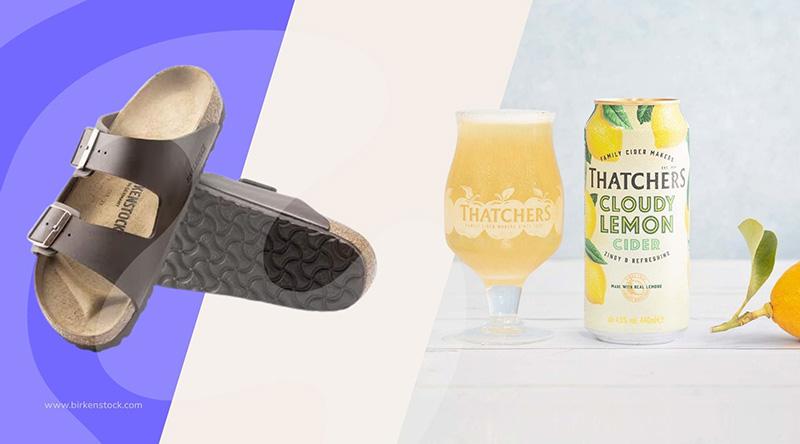
Being copied is a compliment. Your branding determines what it costs you.
Hey Brand fan,
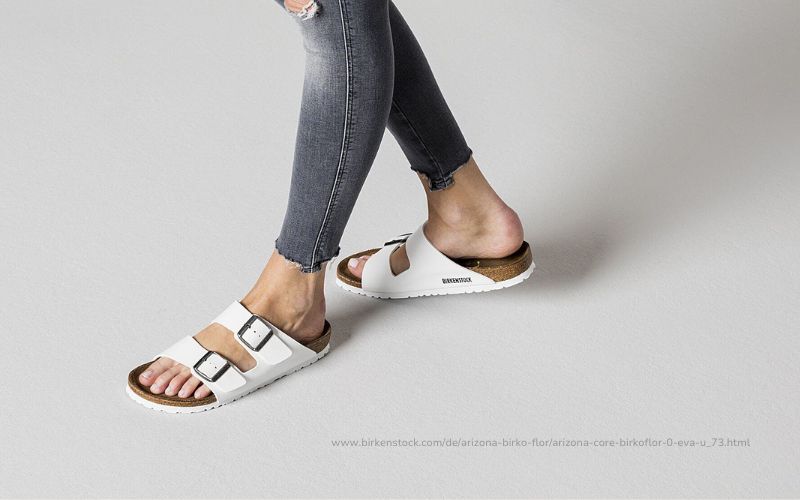
Birkenstock sandals aren't art. That's what the Federal Court of Justice ruled in February 2025. 🫠
What sounds like a minor footnote was actually quite a blow to Birkenstock. They tried to get legal protection for their classic designs against copycats but lost the case, so the competitors' knockoffs will remain on the shelves.
And here's the kicker: In the same fiscal year, Birkenstock generated 2.1 billion euros in revenue—16% more than the previous year.
That’s exactly what today’s post is about: dupes. They’re no longer a taboo topic—people proudly show off their finds on TikTok and hold them right next to the original. You can’t really control whether you’re copied, but you have much more control over what happens next.
Here’s a fun fact that really surprised me: According to Morning Consult (2025), 39% of dupe buyers in the U.S. purchase dupes, among other reasons, to test whether they can measure up to the original. It’s like a test drive. And most people still consider the brands that are copied the most to be “fashionable” (69%) and “trendy” (68%).
Let's be honest—this is actually good news. Anyone who buys a dupe of your work already has your original in mind.
Three brands, three completely different ways of dealing with it.
Birkenstock: Lost in court, but won over customers
A brief background: In 2023, Birkenstock sued three competitors who were selling sandals that were quite similar. The idea was to have the sandals protected as works of art, because that would allow the company to crack down hard on copycats. It didn’t work out. The Federal Court of Justice essentially ruled: The form stems primarily from the function; that’s good craftsmanship, but it’s not art.
Business-wise? Things are still going damn well. In the fiscal year ending in September 2025, profits rose by 82% to 348 million euros. Over 90% of the merchandise sells at full price, while others in the industry are busy slashing prices. And according to Birkenstock, the only things holding back growth right now are the company’s own production capacity and its desire to remain intentionally scarce.
Real Talk: Anyone can copy the cork sole. But the story behind it, the scarcity, and the price that people pay without batting an eye—that’s something no one can just copy.
Thatchers: The label saved the day
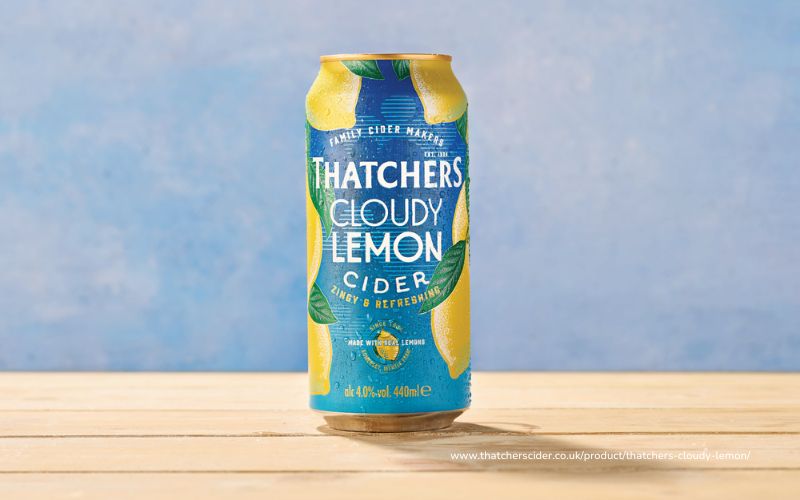
Thatchers has been making cider in Somerset since 1904—it’s a true family-owned business. In 2020, they released their Cloudy Lemon Cider, featuring whole lemons, green leaves, and a creamy yellow background on the can. Two years later, Aldi in the UK launched its own Cloudy Lemon Cider. It also features lemons. And it has very similar colors. Coincidence? Probably not.
Thatchers filed a lawsuit, lost in the trial court in 2024, and then won in the appellate court in January 2025. The court found that Aldi intentionally imitated the product and thereby took advantage of Thatchers’ good reputation.
And now for the really clever part: Thatchers couldn’t trademark the name “Cloudy Lemon” because it simply describes what’s inside the can. So instead, they trademarked the label. And that’s exactly what ended up being the game-changer.
Pro Tip: People often recognize you on the shelf by your look. If it's truly yours, you can stand up for it.
Lululemon: Strong in Court, Tough in Stores
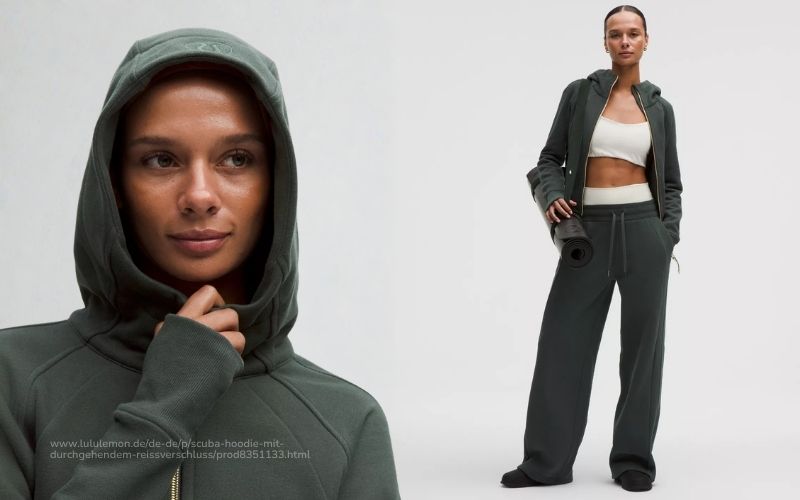
In June 2025, Lululemon filed a 49-page lawsuit against Costco. The lawsuit centers on knockoffs of best-selling items such as the Scuba Hoodie, the Define Jacket, and the ABC Pants. Here’s an example from the lawsuit: a men’s Scuba Zip jacket at Costco for $19.97, while some of Lululemon’s men’s jackets cost over $100. By May 2026, the parties had reached a settlement on almost all items; only a single jacket remains in dispute.
At the same time, however, things are going rather bumpy in the home market. Although Lululemon generated $11.1 billion in revenue in fiscal year 2025, comparable sales in North and South America fell by 3%. Fewer people in stores, more discounts. For 2026, Lululemon has made it a priority to sell more items at full price again.
Are the knockoffs to blame? To be honest, no one can say for sure, and I don't want to read too much into it either. But here's what you do see: With the lawsuit, you get the copy off the shelf. However, you still have to convince people yourself why they should pay full price for your original.
My 2 cents:
I don't think dupes are such a big deal at first. If someone copies you, it just means your product is in demand. It only becomes a problem when your product is the only thing you have to offer.
Thatchers shows that protecting your brand image can really pay off. Birkenstock shows that a strong brand can continue to grow even if the court rules against you. And Lululemon shows that a lawsuit alone won't solve your branding problem.
You don't have to rush to a lawyer right away and register everything under the sun. But you should know which parts of your brand can be copied and which cannot.
“Okay, so what do I do as a service provider?”
It’s the same thing with you—only less obvious. This is a made-up example, but I’m sure you’ve seen it before: A photographer puts together a package called “Brand Day,” with a set itinerary and its own name. Six months later, the competition offers almost the same thing—for half the price.
It's easy to copy the package description. But the competition can't quite capture what it's like to spend the day with her, what happens after the shoot, and who's actually standing in front of you. And that's exactly where your branding comes in.
Three Questions for Your Brand:
✅ What would a dupe copy from you, and what would it still be missing?
✅ Is what makes you stand out protected? The label, shape, color, or product name. If you don't know, now you know what your homework is. 😅
✅ Do your customers have a reason to pay the full price that goes beyond the product itself?
Stay bullish 🔥
Chantalle
P.S. Have you ever been copied? Hit reply and tell me about it—I’m really curious to hear your story. And if you want to know what aspects of your brand can be copied and which ones can’t, we’d be happy to take a look at that together. ✉️ chantalle@boredbrands.studio
