


Your price is the first thing customers learn about your brand.
Hey Brand fan,
Before anyone really notices your logo, clicks through your website, or reads your story, they’ve usually already seen one thing: your price.
And that tells us a whole lot. Whether you’re affordable or exclusive, whether people would rather wait for your next sale or just buy right away, whether you have confidence in yourself. Let’s be honest—we usually treat pricing as nothing more than a simple math problem: cost plus margin plus a little gut feeling.
Yet price is one of the strongest branding signals you have.
Three brands show just how different this can be.

dm: The price you can count on
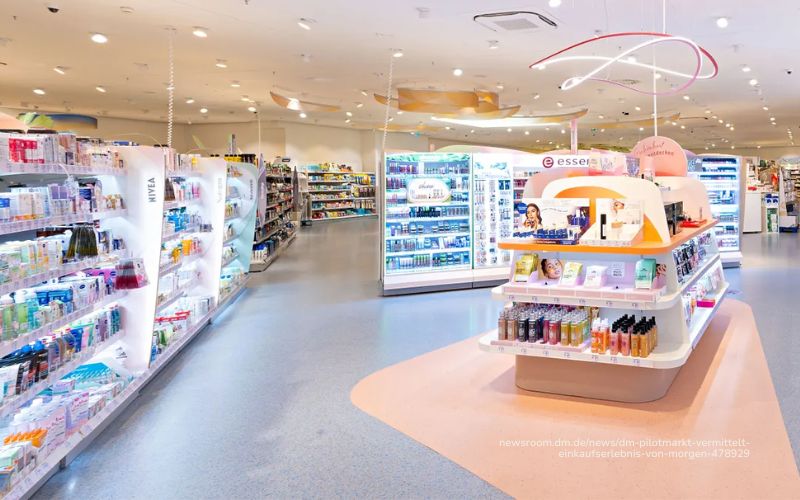
dm does something that’s really rare in retail: it has virtually no sales. No “this week only” deals, no flyer hype. About 30 years ago, dm decided to offer consistently low prices on its shelves and steer clear of short-term discount wars.
At first glance, that sounds unspectacular, but it’s actually really clever. At dm, you don’t have to shop around, wait for the right day, or get frustrated when the shampoo is cheaper a week later. You just go there. And that feeling is exactly what the brand is all about.
The numbers prove dm right: In fiscal year 2024/25, revenue across Europe totaled 19.2 billion euros, an increase of 8.2%. According to CEO Christoph Werner, dm gained market share primarily due to its permanent pricing strategy. And in the Customer Monitor survey, dm once again ranked first among the most popular retailers.
Real Talk: A price that fluctuates every week teaches your customers to wait. A price they can count on teaches them to buy.
Costco: A Hot Dog as a Brand Promise
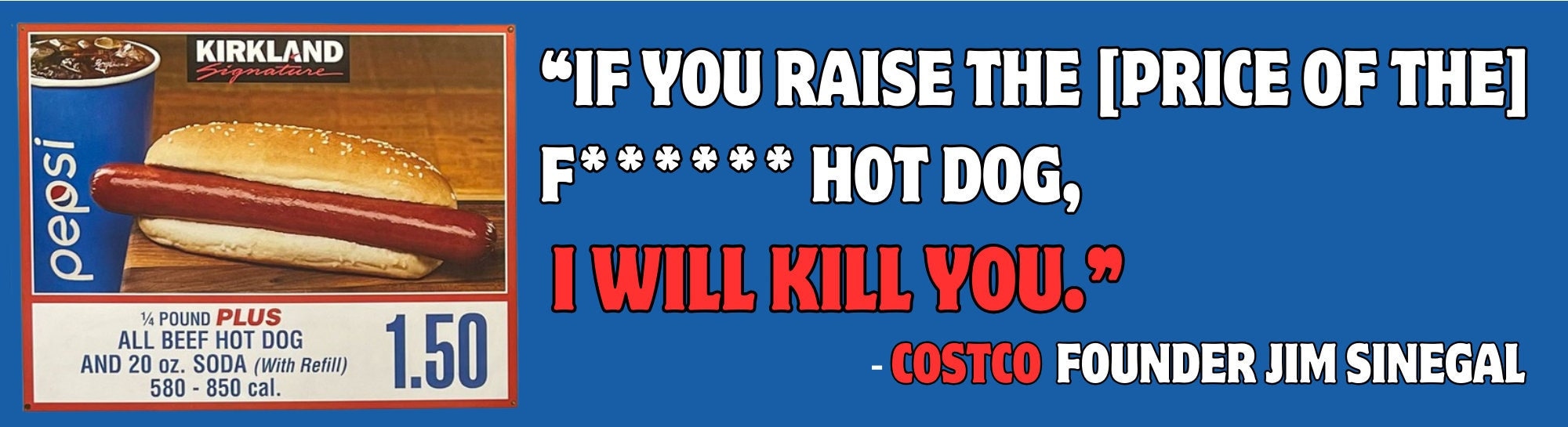
At Costco, the hot dog and drink combo costs $1.50. It has been that price since 1985. If the price had kept pace with inflation, it would be nearly $4.50 today.
And that’s pure strategy. Costco is willing to make little or no profit on the hot dog because it brings people into the stores and keeps them there. Former CEO Craig Jelinek once summed it up this way: When you think of Costco, you think of the $1.50 hot dog. When a new CFO arrived in 2024 and rumors were swirling, he specifically emphasized during the earnings call that the hot dog price was secure. A CFO talking about a hot dog. Pretty wild.
Fun Fact: When his successor complained about losses on hot dogs, co-founder Jim Sinegal reportedly replied—in essence—that he shouldn't mess with the price and should come up with something else instead. Costco then took over production itself.
What you can take away from this: A single product can become a symbol for your entire brand. At Costco, the hot dog stands for “You won’t get ripped off here,” and that attitude rubs off on everything else in the store.
Hermès: The High Price as Part of the Experience
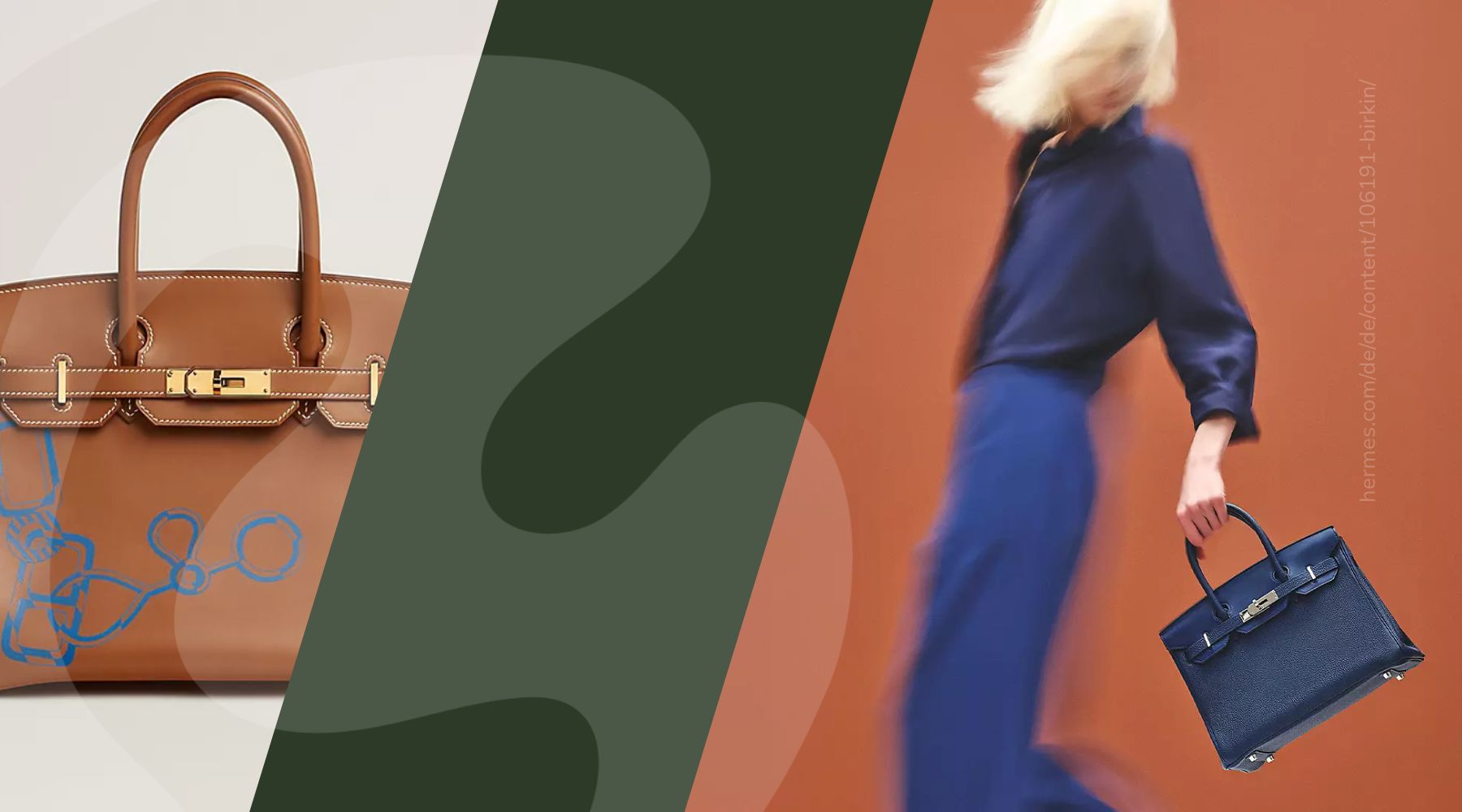
And then there’s the complete opposite. Hermès is expensive—and that’s entirely by design. While many luxury brands struggled in 2025—Kering, for example, saw significant declines—Hermès posted revenue of more than 16 billion euros for the first time. That’s an increase of 9% at constant exchange rates.
CEO Axel Dumas attributes this to an exclusive, carefully curated distribution network and the principle of doing almost everything in-house. In other words: The high price isn’t the only factor. The workshops, the selection of stores, the feeling of buying something special (if you’re even offered a bag in the first place)—all of that supports it.
My 2 cents: A high price only works if the rest of the brand supports it. At Hermès, it all fits together. A premium price on a website that looks like it was built with a drag-and-drop builder, on the other hand, quickly comes across as a bluff.

What this means for your brand
dm is affordable, Costco has a cult-favorite price, and Hermès is really expensive. Three completely different strategies. What they all have in common: The price fits the brand, and it remains consistent.
And that applies just as much to service providers—perhaps even more so. Here are a few questions I’ve been discussing with clients quite often lately:
✅ Do you display your prices or hide them? “Price upon request” can come across as exclusive. But it can also sound like “I’m not exactly sure myself.” Make a conscious decision about this. It makes sense in some industries, but in others it comes across as contrived.
✅ Do you offer a discount right away during the initial consultation? If so, your client will learn right from the start that your price is negotiable. And they’ll carry that mindset throughout the entire project.
✅ Do you have a “hot dog”? A small, fixed-price introductory offer that represents you and attracts customers—for example, an audit, a workshop, or an initial assessment.
You don't have to overhaul your entire pricing structure right now. But take a look at your price through the same lens you use to look at your logo: Does it tell the same story as the rest of your brand?
Stay bullish 🔥
Chantalle
P.S. If you feel like your pricing and your brand aren't quite a good fit right now, we'd be happy to take a look at it together. ✉️ chantalle@boredbrands.studio
